We've stumbled on this post involving How to Replace a Toilet Flange directly below on the net and thought it made sense to write about it with you on my blog.

Introduction:
Understanding the Importance of a Toilet Flange:
In the realm of plumbing, the often-overlooked toilet flange plays an essential duty in guaranteeing the seamless operation of your shower room fixtures. Acting as an essential adapter between your bathroom and the underlying drain, the toilet flange functions as the unhonored hero of your plumbing system. Without this tough component, your toilet would be prone to instability and leaks, possibly causing costly fixings and inconvenience. For that reason, comprehending the importance of a correctly installed and maintained commode flange is paramount for any type of property owner starting plumbing projects or addressing repair work requirements.
Why Proper Installation and Maintenance Matter:
Proper installation and precise maintenance of the bathroom flange are important for protecting the honesty of your plumbing facilities. A thoroughly set up flange not just anchors your bathroom securely in position yet also develops a bulletproof seal, preventing the perils of leakages and smells. By accepting an aggressive approach to flange upkeep, you can reduce the risk of disruptive plumbing problems and maintain the tranquillity of your home environment. Throughout this informative guide, we'll decipher the intricacies of bathroom flange setup and fixing, encouraging you with the knowledge and expertise to browse these vital jobs adeptly.
Ideal Practices When Installing a Toilet Flange:
Guaranteeing a seamless toilet flange setup requires adherence to a collection of ideal techniques that ensure durability and capability. Begin by thoroughly evaluating your devices and materials, ensuring you have the necessary tools for the task in advance. Selecting the suitable flange material, whether PVC, ABS, or cast iron, is vital, as it determines the durability and efficiency of your plumbing fixture. In addition, examining existing plumbing conditions, such as checking for damage or corrosion, is essential for preemptively resolving potential issues and making sure a smooth installment procedure. By adopting these primary measures, you established a strong foundation for an effective bathroom flange setup, minimising the chance of future issues and promoting long-lasting upkeep.
Once sufficiently prepared, wage the careful removal of the old flange, adhering to an organized method to stay clear of creating damage to bordering components. Utilize strategies tailored to address stubborn or rusted flanges, guaranteeing their swift and risk-free removal without jeopardizing the honesty of the bordering plumbing infrastructure. With the old flange removed, carefully set up the new replacement flange, picking one that fits snugly and safely into location. Effectively protecting the flange to the floor using screws or adhesive is critical, as it makes sure security and prevents future leaks. By sticking to these best methods throughout the setup process, you prepared for a durable and dependable bathroom flange setup that holds up against the examination of time.
Mounting a New Toilet Flange:
When mounting a new bathroom flange, the very first step is to select the best substitute for your plumbing setup. Consider factors such as the material of the flange, with options consisting of PVC, ABS, or cast iron. PVC flanges are known for their price and resistance to deterioration, making them a preferred option for DIY fanatics. Abdominal muscle flanges supply comparable advantages to PVC however brag added resilience, making them suitable for high-traffic locations or commercial settings. Cast iron flanges, renowned for their toughness and long life, are suitable for installments where durability is paramount. Furthermore, make certain that the substitute flange is properly sized and fits comfortably into location to create a leak-proof seal and stop leaks.
Safeguarding the Flange to the Floor:
As soon as you've chosen the ideal substitute flange, it's critical to protect it properly to the flooring to make certain stability and protect against future concerns. Begin by placing and aligning the flange correctly over the waste pipe, ensuring that it rests flush with the floor surface. Depending upon the type of flange and your certain setup preferences, you can protect the flange to the flooring using screws or adhesive. If utilizing screws, make certain to use corrosion-resistant choices to avoid rusting over time. Conversely, adhesive can give a safe bond in between the flange and the flooring, making certain a durable and reliable installation. By complying with these actions and taking the required preventative measures, you can mount a brand-new toilet flange with self-confidence, making sure a durable and leak-free plumbing fixture.
Ideal Practices When Repairing a Broken Flange:
Repairing a damaged commode flange needs precise focus to detail and adherence to ideal practices to make certain an enduring remedy. Begin by thoroughly evaluating the degree of the damage and determining the underlying reason, whether it be rust, splits, or imbalance. This assessment will lead your repair technique, allowing you to choose one of the most suitable strategies and materials for restoring the flange to its optimal condition. In addition, consider the bordering plumbing facilities and flooring stability to deal with any type of prospective contributing aspects and avoid future issues from emerging. By performing a thorough analysis and evaluation, you lay the groundwork for a reliable and long-lasting repair service process that settles the source of the trouble.
With a clear understanding of the flange's problem and the factors affecting its damage, wage the fixing process utilizing precision and care. Depending upon the seriousness of the damage, you might go with fixing methods such as epoxy putty, repair flange packages, or partial flange substitutes. Ensure that the chosen repair service technique effectively deals with the specific issues handy while keeping the architectural stability and performance of the flange. Furthermore, take positive actions to strengthen the fixed flange and avoid future damages, such as using sealant or waterproofing materials to secure against leakages and rust. By sticking to these finest practices throughout the repair work process, you can restore your busted flange to optimal problem, ensuring the long-term integrity and efficiency of your plumbing system.
Sorts Of Toilet Flanges:
Understanding the various types of bathroom flanges is necessary for choosing one of the most appropriate option for your plumbing needs. PVC, ABS, and cast iron are among the usual products utilized in toilet flange building, each offering unique advantages and factors to consider. PVC flanges, recognized for their price and corrosion resistance, are favoured for their convenience of installment and durability. ABS flanges, similar to PVC in regards to price and convenience of installation, are treasured for their effectiveness and resistance to effects. On the other hand, cast iron flanges, renowned for their exceptional stamina and long life, are usually liked for high-traffic areas or business settings where sturdiness is critical. By acquainting yourself with the characteristics of each product, you can make a notified decision when choosing a commode flange that aligns with your particular needs and choices.
Along with product factors to consider, commode flanges likewise are available in numerous design and styles to suit different plumbing setups and installation choices. Offset flanges, for instance, are made to suit commodes set up on floors that are not level or where the drain lies off-centre. Similarly, repair flanges, also known as repair work rings or spacer rings, are used to attend to concerns such as fractured or damaged flanges without the requirement for substantial plumbing modifications. Furthermore, adjustable flanges supply flexibility ready, permitting precise positioning and fit during installation. By discovering the varied series of toilet flange types and layouts readily available, you can choose the choice that best matches your plumbing configuration and installation needs, making sure a seamless and dependable remedy for your bathroom fixtures.
Specialized Options:
Along with typical bathroom flanges, there are specialty options offered to address particular plumbing obstacles and installment choices. One such option is the balanced out flange, which is created to suit commodes set up on floorings that are uneven or where the drain is located off-centre. Balanced out flanges feature an unique style that permits the commode to be positioned at a minor angle, making up for uneven floor covering or misaligned plumbing links. This innovative remedy guarantees a safe and steady installment, removing the requirement for costly and time-consuming flooring leveling or pipe moving. By integrating an offset flange right into your plumbing setup, you can get over typical setup challenges and accomplish a professional-quality result easily.
One more specialized choice worth considering is the fixing flange, also called a fixing ring or spacer ring. Repair flanges are specifically developed to attend to issues such as fractured or damaged bathroom flanges without the requirement for substantial plumbing adjustments. These flexible parts can be mounted directly over the existing flange, supplying a durable and trustworthy base for protecting the toilet in place. Repair flanges can be found in different dimensions and arrangements to accommodate various flange diameters and installation requirements, making them a practical and cost-effective option for settling flange-related issues. Whether you're taking care of a minor flange repair work or a more complex plumbing concern, incorporating specialized choices like countered and repair flanges can streamline the installment procedure and make certain resilient performance for your shower room fixtures.
Conclusion:
Finally, understanding the art of commode flange setup and repair is vital for maintaining a functional and leak-free plumbing system in your house. By recognizing the significance of a properly set up flange and sticking to finest practices throughout the process, you can guarantee the long life and reliability of your shower room components. Whether you're picking the right kind of flange, performing repair work, or discovering specialized alternatives, attention to detail and careful execution are essential. Normal maintenance and aggressive fixing can help protect against costly plumbing concerns and preserve the serenity of your home setting. Equipped with the understanding and abilities gained from this extensive overview, you can tackle toilet flange setup and repair work with confidence, encouraging you to secure your plumbing system for many years to find.
How to Replace a Toilet Flange
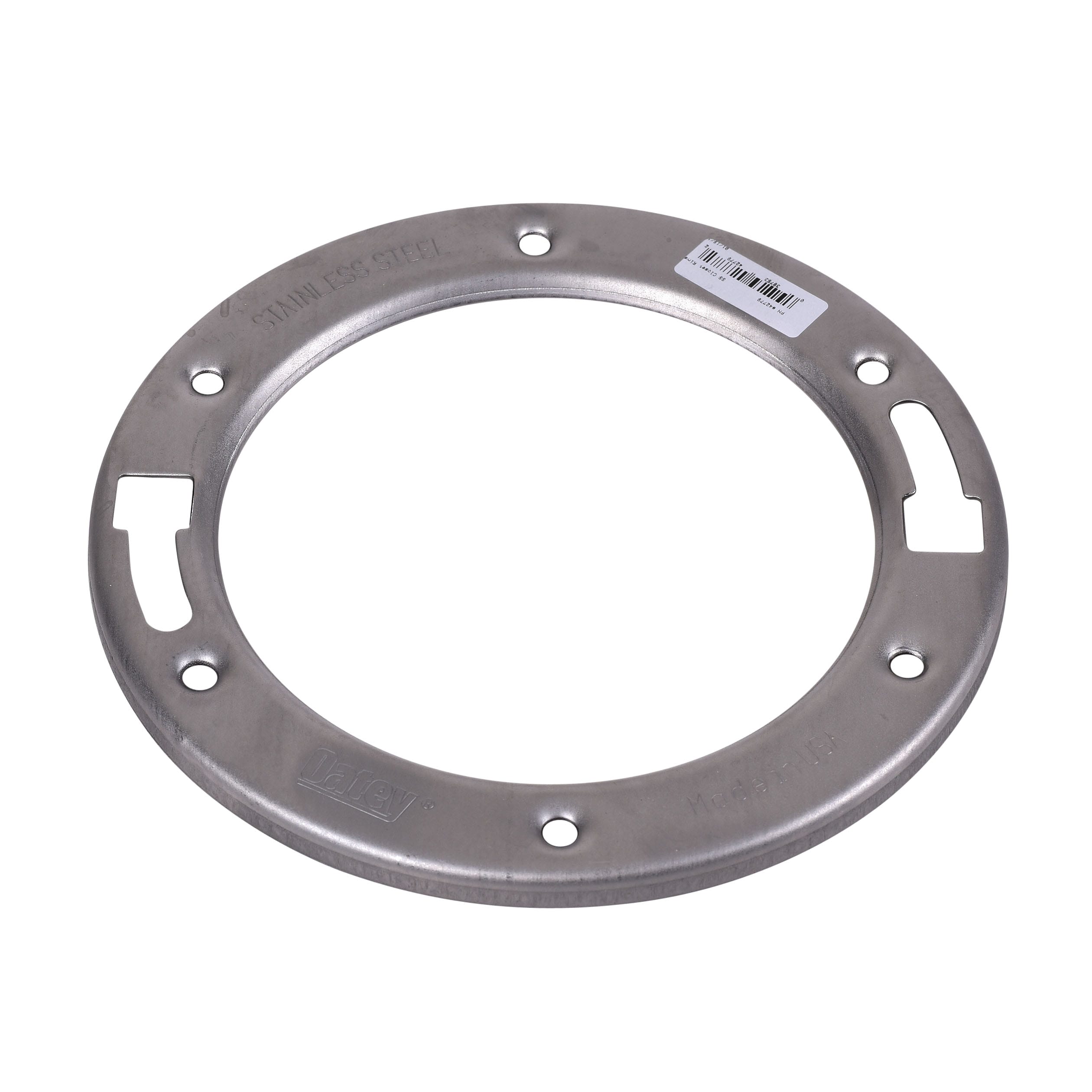
The toilet flange is the part that keeps your toilet attached to the drain. A broken toilet flange will result in your toilet moving around and can even cause it to leak.
A broken toilet can be such a headache and the leaking water can even cause further damage. Many people don’t know about the different elements of replacing a toilet or fitting a new toilet, and it’s important to know these skills when you’re a homeowner.
This article will walk you through how to quickly and correctly do a toilet flange repair.
How to Replace a Toilet Flange
A toilet flange is a critical element of a toilet, but it serves two separate functions. For instance, a toilet flange secures your toilet unit onto the ground and connects the toilet bowl to the wastewater line.
Often, a toilet flange is already in place when installing a toilet, so many homes have these features but never think of them until they are broken. Therefore, you need to know when to replace a toilet flange.
Remove the Toilet
The first stage is removing the toilet and disconnecting the structure from the water supply. You can close the knob at the back of the toilet and empty the toilet tank several times.
After this, you should remove the water hose from the toilet. It’s essential to cover your bathroom floor with newspaper or a tarp to ensure there’s no external damage to your space.
This can be a complicated process, so getting professional help may be necessary if you don’t feel confident about replacing a toilet flange. When you work with an experienced professional, you can ensure the job is done correctly.
Unscrew Two Nuts and Bolts
The two nuts and bolts are the parts that hold the toilet to the flange and floor, so you need to tackle this part next. You can use an adjustable wrench if the nuts are secure and too tight.
After this, you can set the nuts aside in a container and reattach the toilet when the flange is completely repaired.
Remove the Old Wax
Next, after you’ve removed the toilet and nuts and bolts features, you should remove the old wax that sealed the toilet to the flange. You can quickly eliminate the old wax with a putty knife or other similar tool.
Work your way down the build-up of old wax until you reach the top of the toilet flange.
Remove the Flange
Once you reach the flange structure, you can search for the screws outside the part. All you need to remove the screws is a multi-head screwdriver, allowing you to remove different screws.
You can remove the flange and clean it with disinfectant or a wipe to sanitize the surface area. It’s also a good idea to stuff an old towel or cloth into the space to prevent odors and gasses from oozing from the area.
This is where you need to measure the diameter of the outflow pipe’s mouth to find the identical part to replace the toilet flange. You must have exact measurements when searching for a new flange.
Otherwise, you will buy a new toilet flange that can be used in your bathroom.
You can also take the old toilet flange in a secure bag to your local hardware shop if you want to make a direct comparison with a new product. You must also buy sealing wax for the new toilet flange.
If you need help buying a new toilet flange, a professional plumber can help or an employee at your local store.
Apply New Flange and Fit Toilet
At this point, you can fit the new toilet flange following the instructions given with the product, or you can hire a professional to do the job for you. You should also apply the new seal wax around the mouth.
This will allow the toilet flange to stay in place and not become broken again shortly.
Finally, you can fit the toilet structure back in place by securing the nuts and bolts again. You should reattach the water supply and test the flush to check that the water is running correctly.
To test the water supply, you can flush the toilet several times and wait for the water to fill up and empty repeatedly.
The last step is to tidy the bathroom space and clear away the dirty towels or newspapers. It’s a good idea to clean the floors with a strong disinfectant to eliminate the odors left behind.
With experience, you can fix the toilet flange in no time. But, if you’ve never handled these toilet parts, you should hire a professional plumber to take care of them.
Thankfully, our team is here for you. We have the best plumbers in Detroit to help you fix any toilet issues you encounter at home.
https://waterworkplumbing.com/how-to-replace-a-toilet-flange/
I'm very occupied with How to Replace a Toilet Flange and I am praying you enjoyed the entire blog post. Sharing is caring. You just don't know, you could be helping someone out. Thank you for your time spent reading it.
Call Today